Why I made this
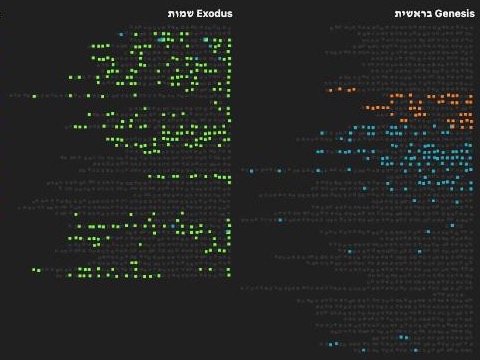
Placing the entire text in a single fixed layout provides a set of visual anchors: just as on a paper map we get used to the relative locations of landmarks, this fixed placement gives us a visual sense of how the data fits together. We can then overlay new data over it – searches for keywords, the richness of commentary, or cantillation marks.
Some sample overlays
Torahmap allows you to overlay different datasets over the same background. Each square is a verse; each row is a chapter.
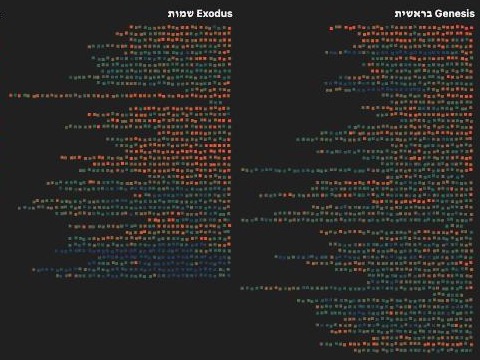
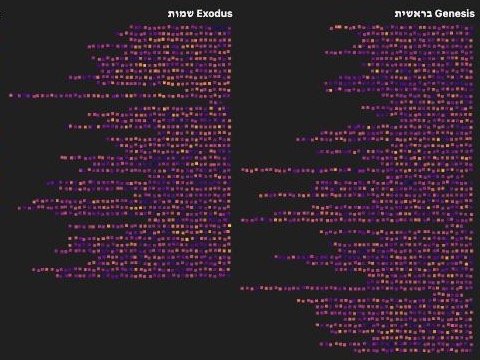
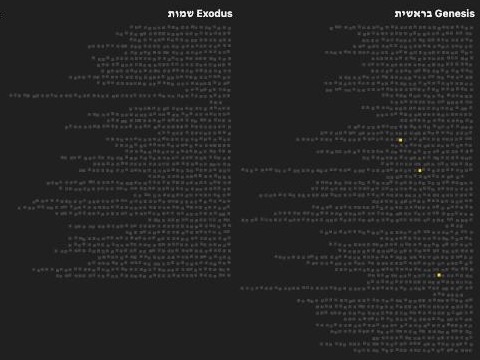
The Torahmap as an example
Torahmap was designed for a very specific specialist: people with a textual passion for the Hebrew Bible. It’s the same move I make for clients: start from people who know their material better than any tool, and identify core questions they wish to address. We found representations that let readers explore it in new ways.
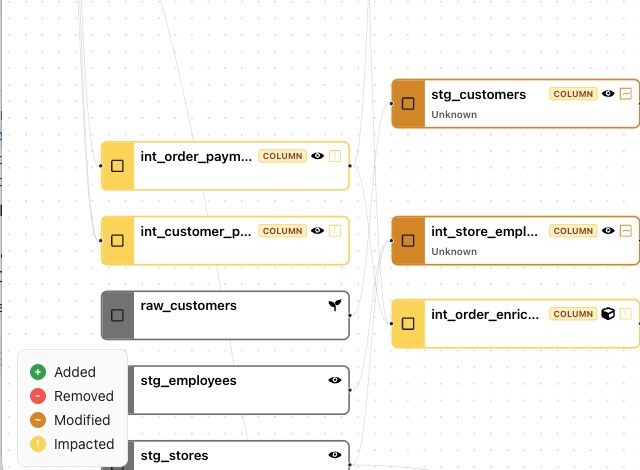
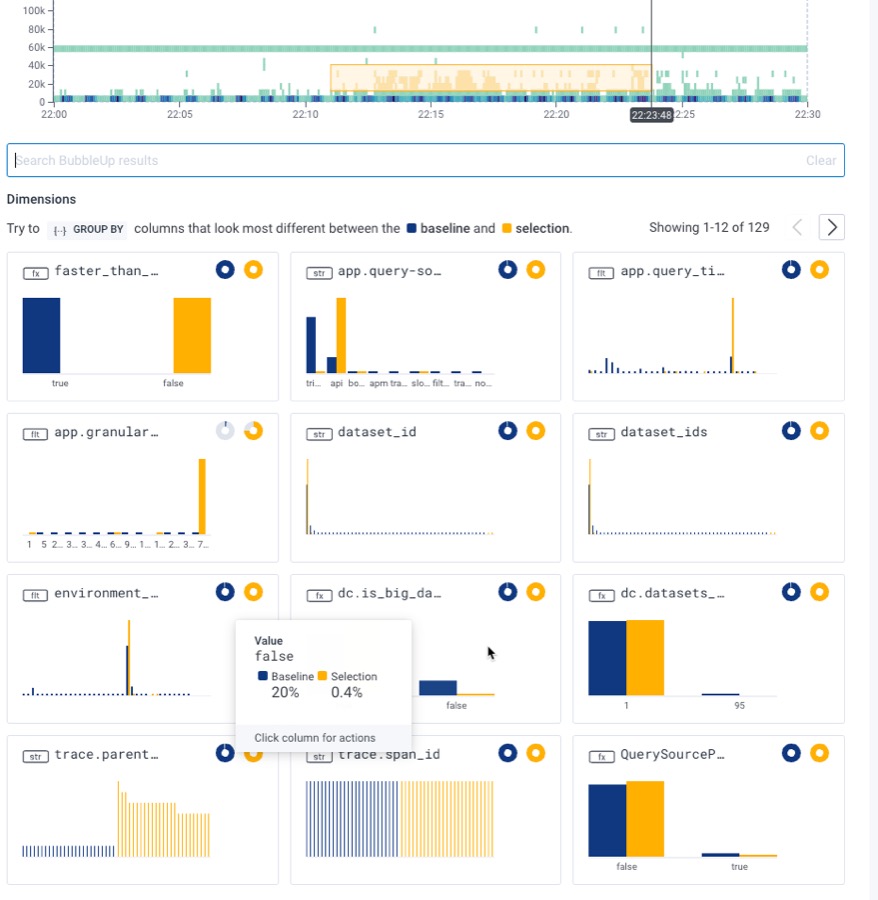
My work for Recce looks very similar: figuring out how to make the most important questions come to the forefront.